Target workflow
Define the intended steps, roles and state changes, including how incomplete or exceptional cases are handled.
Company
A staged approach for clarifying the workflow, agreeing responsibilities, validating the implementation and preparing your team to operate it.
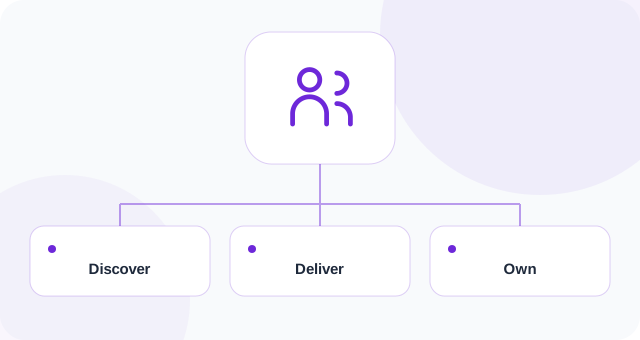
Discovery follows a real process from its trigger to completion. We identify the people involved, the records they use, the decisions they make and the exceptions that create delay. Existing systems and constraints are part of the map.
This produces a shared description of the current state before a particular technology or implementation is proposed.
Define the intended steps, roles and state changes, including how incomplete or exceptional cases are handled.
Record required systems, access, migration, third-party services and responsibilities that sit outside the work.
Describe observable scenarios that demonstrate the implementation behaves as agreed.
Agree deployment, monitoring, documentation, support and account ownership before handover.
A stage should produce something that can be demonstrated against the agreed scenarios. Reviews are used to resolve behaviour and usability questions while the work remains bounded. New requirements are assessed for their effect on scope, dependencies and acceptance.
Release readiness includes the technical result and the people who will operate it. Access, deployment instructions, known limitations and support routes need to be clear.
Acceptance confirms that the agreed system works. Operating measures show whether the process improves after people begin using it. Establish the baseline, definitions and review period before attributing a later change to the implementation.
Let’s build your connected operations
Bring one process, its systems and the result your team needs to see.